
The Illusion of Easy Wins
Many individuals are drawn to casinos by the promise of quick and easy winnings. The excitement of hitting a jackpot or winning a hand can create an exhilarating atmosphere that lures players in. However, this excitement often clouds judgment, leading many to overlook the hidden costs associated with gambling, including the potential for losses when playing online pokies australia real money at various establishments. The truth is that the odds are often stacked against the player, and the house edge can contribute significantly to losses over time.
When players enter a casino, they frequently focus on the potential rewards without fully understanding the risks. This can lead to overspending, as the allure of potential instant wealth can prompt individuals to wager more than they initially planned. Additionally, the environment is designed to keep players engaged, often through the use of free drinks and entertainment, which can further encourage risky behavior and increase overall costs.
The psychological aspect of gambling can also be a hidden cost. Many players experience a phenomenon known as “loss chasing,” where they continue to gamble in an attempt to recoup previous losses. This behavior often leads to a cycle of spending more money, causing financial strain and distress for many individuals. Recognizing the psychological traps inherent in gambling is crucial for maintaining control over one’s finances and avoiding hidden expenses that can accumulate rapidly.
The True Cost of Time
Gambling is not just a financial investment; it can also demand a significant amount of time. Many players underestimate how long they spend in a casino, which can lead to lost opportunities in other areas of life. Time spent gambling can detract from personal relationships, work obligations, and even health, resulting in costs that extend far beyond mere monetary losses.
CAs people become engrossed in the gambling experience, they often lose track of time, spending hours or even days in a casino. This excessive time investment can lead to neglect of other responsibilities, which can result in stress and anxiety. For instance, missing work due to gambling can lead to financial repercussions in the form of lost wages and decreased job performance, compounding the situation.

Furthermore, the time lost in a casino can also be viewed through the lens of opportunity cost. The hours dedicated to gambling could have been spent on more productive endeavors, such as pursuing a hobby, furthering education, or engaging with loved ones. Understanding the value of time can help individuals recognize that the thrill of gambling may not be worth the hidden costs associated with lost productivity and personal fulfillment.
Understanding the Hidden Fees
While many are aware of the risks of losing money at blackjack or roulette, there are also various hidden fees associated with gambling at casinos that can quickly add up. From ATM fees to credit card charges, these expenses can erode any potential winnings. Often, players may not realize the financial implications of these costs until after they have gambled more than anticipated.
For instance, many casinos place ATM machines on-site, and these often come with exorbitant withdrawal fees. Players in need of cash can find themselves paying significantly more than they would at a regular bank. Additionally, using a credit card to fund a gambling account can result in interest charges and fees, especially if the player does not pay off the balance immediately. These financial pitfalls can create a perfect storm for hidden costs that compromise a player’s budget.
Moreover, some casinos may impose fees for services such as parking or table reservations, which can go unnoticed until the final bill arrives. Players often view these expenses as minor inconveniences, but they add an extra layer of cost that can impact the overall experience. Being aware of these hidden fees is essential for anyone looking to gamble responsibly and within their means.
The Impact of Compulsive Gambling
One of the most significant hidden costs of gambling at casinos is the potential for developing a gambling addiction. While many individuals gamble for fun, some may find themselves in a constant cycle of excessive betting, leading to compulsive behavior. This addiction can have catastrophic financial, emotional, and social repercussions, impacting not just the gambler but their friends and family as well.
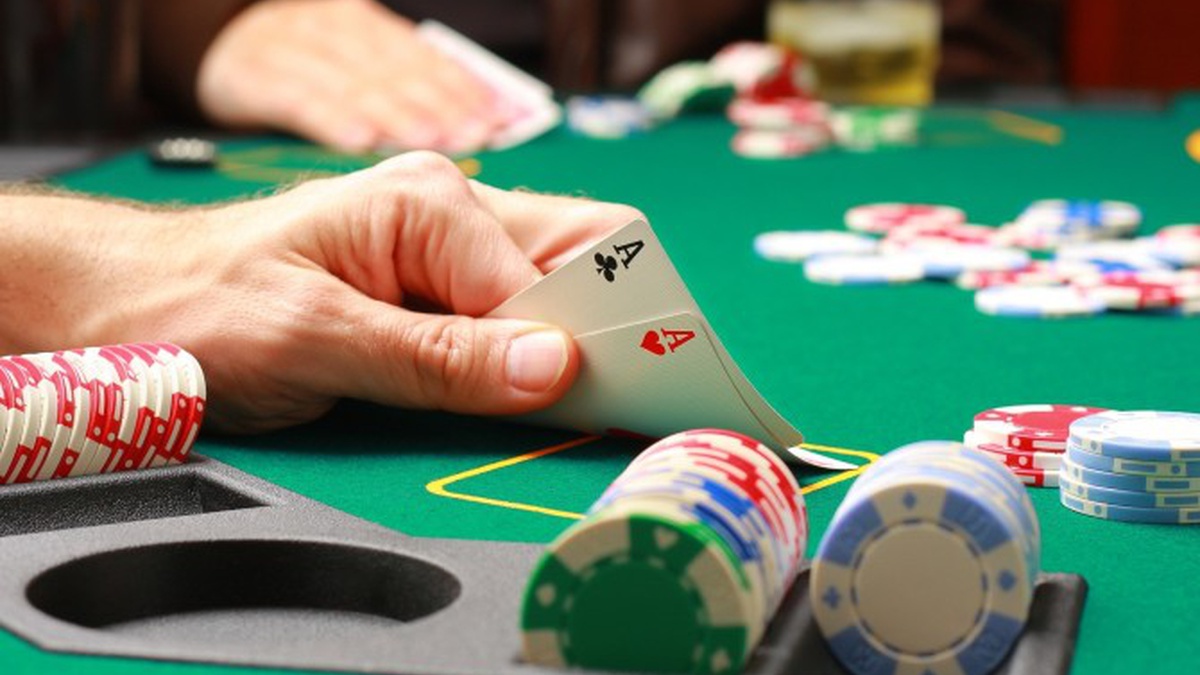
The consequences of compulsive gambling can manifest in various ways, including financial ruin, strained relationships, and mental health issues like anxiety and depression. Individuals may resort to borrowing money or engaging in deceitful behaviors to fund their gambling habits. The cycle of shame and secrecy surrounding addiction can further exacerbate feelings of despair and isolation, leading to a downward spiral that is difficult to escape.
Support systems and resources are available for individuals struggling with gambling addiction, highlighting the importance of awareness and acknowledgment of the issue. Recognizing the signs of compulsive gambling is crucial for early intervention, which can mitigate some of the hidden costs associated with this addiction. By seeking help, individuals can reclaim control over their lives and finances, breaking free from the grasp of gambling’s hidden dangers.
Exploring Resources for Responsible Gambling
For those who choose to engage in gambling, understanding the hidden costs and how to manage them is vital. Numerous resources are available to assist individuals in making informed decisions and maintaining healthy gambling habits. Educational materials, counseling services, and support groups can provide valuable insights and coping strategies for those who want to gamble responsibly.
Many casinos also promote responsible gambling initiatives, offering tools and resources for players to set limits on their spending and time. These programs can provide players with a greater understanding of their habits and encourage accountability. Additionally, casinos may offer self-exclusion programs, allowing individuals to voluntarily restrict their access to gambling facilities if they recognize their behavior as problematic.
Ultimately, educating oneself about the potential hidden costs of gambling can pave the way for a healthier and more enjoyable experience. By utilizing available resources and maintaining a cautious approach, individuals can engage with gambling entertainment while minimizing the risk of financial loss, addiction, and emotional distress.
How a slot decides a winning combination is set by its line structure, and that structure varies far more than the reels suggest. Some titles fix every line permanently, others let the player switch lines off, and a growing number abandon lines for a count of winning ways.
How Line Count Shapes Your Stake
On a fixed line game the stake is the line bet multiplied by the full line count, so a twenty line slot at ten cents a line costs two dollars a spin. Players sizing their stakes often tiveyfamilytree.com to check line counts before choosing a title. Adjustable line games allow fewer lines and a smaller total bet, but switching lines off also removes the chances of hitting anything on them.
| Setting | Why It Matters |
|---|---|
| Line count | Multiplies the per line stake |
| Adjustable lines | Lower cost but fewer chances |
| Ways to win | Fixed total bet per spin |
- Check whether lines are fixed before setting a stake
- Compare total spin cost rather than the per line figure
Understanding the line structure is mostly about knowing what a spin actually costs, which is easy to misjudge on high line games. The house edge is built into the return percentage regardless of how the lines are arranged. Choosing a stake that allows a reasonable session length matters more than the line count itself.


