

Anyone who’s spent time in a British Post Office line will understand a certain contemporary ritual. You stand there, holding a parcel or a paper, and your hand moves to your phone. Before you realize, you’re not looking at a queue number but at a screen full of cartoon pigs and spinning reels. The phrase “Post Office line oink oink oink slot government wait” encapsulates this exact instant. It’s where the slow process of government tasks meets into the instant buzz of online games. This article examines that collision. We’ll walk through the reality of service delays, the appeal of slots like Oink Oink Oink, and what happens when people use one to endure the other.

The Next Phase of Service Distribution and Digital Diversion
The actual solution for the “Post Office line” problem is to cut the line itself. If public services worked as smoothly as a well-designed shopping app—swift, intuitive, dependable—the necessity for escape would shrink. Until that day comes, people will continue using games to deal. We might see public spaces offering free WiFi that directs people toward news or brain teasers instead of gambling sites. The takeaway for any service provider is this. In an era of on-demand digital pleasure, an extended wait isn’t just an annoyance. It’s a direct invitation for your user to retreat into their device, with any consequences that brings.
Grasping the “Official Delay” and Administrative Lags
The “government wait” doesn’t finish at the Post Office door. It trails you home. It’s the eight-week wait for a new driving licence from the DVLA. It’s the months of quiet after posting a tax return to HMRC. It’s the local council planning department that takes a season to answer an email. These processing times are now counted in weeks, not days. The reasons are a tangled mix. Aging computer systems buckle under online demand. Pandemic backlogs never fully cleared. Budget cuts leave departments understaffed. For the person waiting, the impact is a constant low-grade anxiety. Life feels stuck on hold. You can’t plan, you can’t move forward, because you’re hoping for an envelope that may or may not come next Tuesday.
Examining the Oink Oink Oink Slot’s Allure
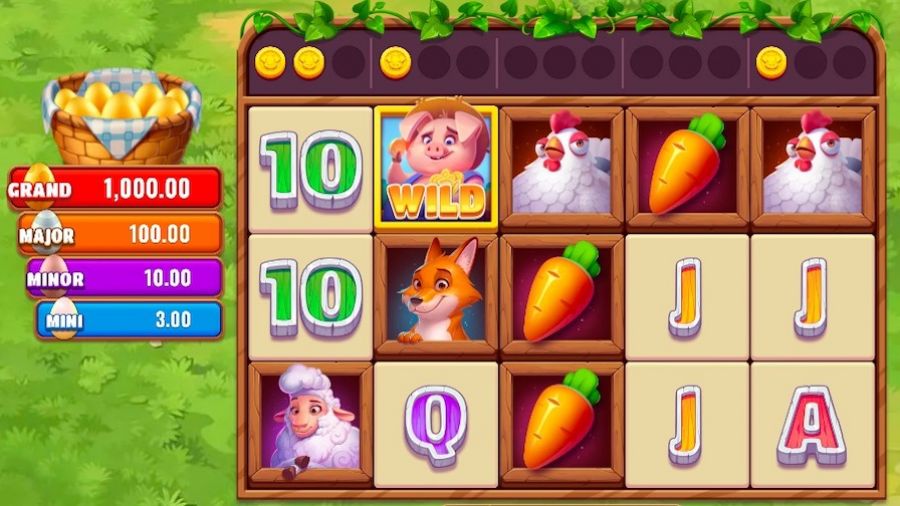
What makes certain game fit the line so perfectly? Its appeal is simple. The subject is joyful beasts, a world apart from the harsh terminology of official documents. The rules are basic. Select a stake, press reel spin, see what happens. This immediate cause-and-effect is gratifying exactly because bureaucratic systems lack it. Features like bonus games deliver a tiny dose of thrills that starts and concludes before you are summoned. For a person stuck in a Post Office for 45 minutes, these small cycles of chance offer a distraction for the mind. They produce a fake feeling of progress. You might not be moving forward in the line, but activity on the display is continuously occurring.
Regulatory Perspectives: Gaming and Social Responsibility
Employing gambling games as a common diversion isn’t simple. The UK Gambling Commission imposes tough guidelines: age checks, deposit limits, links to support groups. But the ease of access during monotonous or stressful moments is a genuine worry. Responsible gambling ads state slots are for enjoyment, not a fix for problems or a way to make money. The danger is obvious. The frustration arising from a two-hour Post Office wait could push someone to seek a win, expecting for a quick emotional or financial improvement. It’s a reminder that personal awareness counts, even during what appears like harmless play to kill time.
The Fact of the Post Office Queue in Today’s Britain
The Post Office waiting line is a fact of life for millions. It’s where you go to mail a birthday package, update a car tax disc, deposit a cheque, or provide a passport photo. In many towns, with banks long gone, it’s the sole place left for these in-person transactions. The sight is familiar. A line of people, each carrying a various small issue, shuffling forward every few minutes. Queue times can consume an hour or more, made worse by less branches and skeleton staff. This is by no means a minor irritation. It’s a significant chunk of your day, wasted. That queue is more than people; it’s a physical symbol of waiting. You can witness your progress, but only in tiny increments, a slow-motion dance with the government.
The Digital Escape: Rise of Immediate-Play Slots like Oink Oink Oink
Against this backdrop of slow officialdom, online slots operate at a different speed. Games like the Oink Oink Oink slot, which you can locate at sites such as oinkoinkoink.net, present a jarring contrast. One minute you’re in a drab queue, the next you’ve tapped your phone and arrived in a colorful, noisy farmyard. The appeal is all in the quick result. No waiting. You tap spin, the reels rotate for a second, and you learn your fate. The games are built for simplicity and visual reward. They have simple rules, unlike the opaque maze of government guidance. Here, the only authority is a random number generator, and it gives you an answer right away.
The cognitive gap between waiting and gaming
The mental gap of waiting versus playing is vast. Dealing with government waiting is a passive experience. You surrender to a system that is invisible and uncontrollable. It fosters a nagging worry. Was box seven filled in right? Did my documents arrive? Playing a slot machine is a deliberate action. Each spin provides immediate feedback—a jingle, a flash of colour, a win or a loss. It gives you a fleeting feeling of control. This contrast is not minor. It clarifies why your fingers itch for your phone during a long hold. The game reduces the irritation by tickling the brain’s reward centres. It offers tiny hits of uncertainty and possible joy, making the clock on the wall seem to tick a little faster.
The way “Queue Gaming” Became a National Pastime
This is the manner “queue gaming” gained traction. Stuck in a queue alternatively hearing on-hold music calling a government service line, your device serves as a lifeline. People don’t just look at nothing anymore. Users occupy the idle moments using digital slots. Games such as Oink Oink Oink works well. This piggy theme feels goofy but lighthearted. The gameplay asks for almost no thinking. You are able to play in twenty-second bursts, glance up when the queue advances, then dive back in. This habit signals a significant change. We now use media products to seize back ownership of our time that is taken from us. The takeaway is obvious: if you steal an hour from me, I will fill it on my own terms.
Common Questions
What is the meaning of “Post Office line Oink Oink Oink slot government wait”?
It describes a modern British habit. It describes killing time during long waits for Post Office or government services by playing online slot games like Oink Oink Oink on your phone. It highlights the clash between slow bureaucracy and fast digital distraction.
Is the Oink Oink Oink slot game legal to play in the UK?
Yes, as long as the website holds a current UK Gambling Commission licence. Operators like oinkoinkoink.net must check a player’s age, provide tools like deposit limits, and provide links to self-exclusion schemes to stay within the law for UK customers.
Why are Post Office and government waits so long in the UK?
A few key problems combine to create delays. Old computer systems battle new demand. Staffing levels haven’t rebounded from cuts and the pandemic. As more branches close, the remaining ones get busier. The result is a bottleneck where everything, from passports to tax forms, needs longer than it should.
Is it safe to play mobile slots like Oink Oink Oink in public?
In theory, yes, but you have to be smart. Avoid public WiFi; use your mobile data for a secure connection. Be mindful of who can see your screen. You don’t want strangers watching you enter passwords or seeing your balance. Remember, responsible gambling applies even on a bus or in a queue.
Is playing slots in line become a problem?
It can. Using gambling to ease boredom can develop into a habit without you noticing. Place a firm limit on both time and money before opening the app. If you catch yourself playing to avoid stress or trying to win back losses, that’s a warning sign. Cease and search for resources from organisations like GamCare.
What are the alternatives to playing while waiting for services?
Many options are available. Pick up a book or listen to a podcast. Use the time to organize your emails or arrange your weekly meals. Some government portals enable you to start other applications online. A few services even give a callback option, allowing you to exit the queue and carry on with your day until they ring you.
The image of a Post Office queue paired with the Oink Oink Oink slot is a perfect picture of Britain today. It shows our impatience with inefficient public services and our ability for finding quick digital fixes. While slots offer a temporary break, they also highlight a bigger issue. We need public administration that works better, so people do not feel the need to mentally check out. The goal should be services that respect your time as much as your favourite app does.
The full terms document at a casino can run to thousands of words, most of which never affect anyone. A small number of clauses do the real work, and they tend to appear in the same places at every operator. Knowing where to look turns an hour of reading into ten minutes.
Reading Casino Conditions Efficiently
The maximum bet while a bonus is active is the clause that voids the most winnings, often capping stakes at around five units regardless of balance. Players wanting to compare these rules can spinfin and read the bonus terms side by side. Dormancy is the second one to find, since inactive accounts can be charged a monthly fee after a set period.
| Section | What to Look For |
|---|---|
| Bonus terms | Maximum stake and game weighting |
| Payments | Limits and verification rules |
| Account closure | Dormancy and balance handling |
- Read the payments section before the first withdrawal
- Save a dated copy of the terms you agreed to
The terms describe what happens when something goes wrong, which is exactly when reading them for the first time is too late. Locate the bonus stake cap, the dormancy rule and the withdrawal limits before depositing. Then decide the budget you are comfortable losing, keep to it, and treat the whole thing as entertainment with a known cost.


