
Understanding the psychological effects of gambling on decision-making processes
The Nature of Gambling and Its Appeal
Gambling has long been a popular activity across cultures, with its roots tracing back thousands of years. The thrill associated with the potential for large wins has always captivated individuals, driving them to engage in various forms of betting. Whether it’s playing cards, betting on sports, or spinning slot machines, the allure of chance plays a significant role in human decision-making. At Slotlounge casino Canada, this thrill-seeking behavior is often linked to dopamine release in the brain, reinforcing the desire to participate in such activities.

Moreover, gambling taps into psychological principles that can skew decision-making processes. The excitement of risk and reward can lead individuals to make choices that defy logical reasoning. For instance, players might continue betting despite mounting losses, driven by the hope of a turnaround. Such behavior illustrates the concept of “loss aversion,” where the pain of losing is felt more acutely than the pleasure of winning, prompting irrational choices aimed at recovering losses.
As society evolves, the accessibility of gambling has increased, particularly with the rise of online platforms. These digital environments offer an array of games and betting options that can be played at any time, making it easier for individuals to indulge in their gambling impulses. This convenience can exacerbate the psychological effects, leading to a cycle of compulsive behavior where decision-making is heavily influenced by emotional highs and lows rather than rational thought.
The psychological mechanisms involved in decision-making during gambling are multifaceted. Cognitive biases play a crucial role, particularly the “gambler’s fallacy,” where individuals believe that past outcomes will influence future results. For example, a person may think that a slot machine is “due” for a payout after several unsuccessful attempts, leading them to gamble more than they initially intended. This misperception can lead to poor financial decisions as players chase losses.
Another psychological effect is the “illusion of control,” where gamblers believe they can influence the outcome of a game based on their skills or strategies, even in games of pure chance. This false sense of control can encourage excessive gambling, as individuals may feel emboldened to take risks they would normally avoid in other areas of their lives. The impact of these cognitive distortions can be profound, leading to compulsive gambling behaviors that are difficult to break.
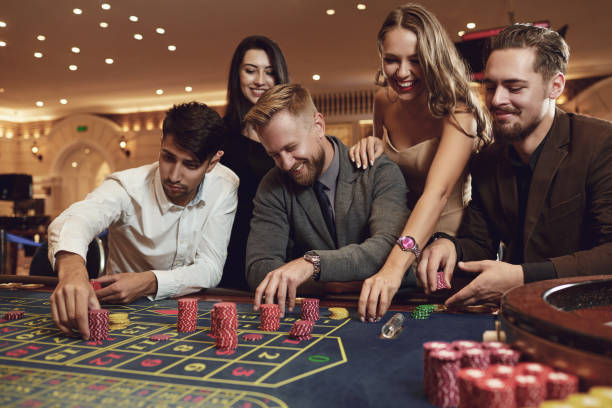
Furthermore, social and environmental factors significantly influence decision-making in gambling. Social settings, such as casinos or online gaming communities, can create a heightened sense of urgency and competition. This social pressure can lead individuals to make impulsive decisions, escalating their gambling activities. The environment surrounding gambling—bright lights, sounds, and the presence of others—can heighten arousal, further clouding judgment and decision-making abilities.
Emotions play a pivotal role in the decision-making processes of gamblers. When individuals experience excitement from winning, their brain releases neurotransmitters like dopamine, creating a pleasurable feeling that reinforces their gambling behavior. Conversely, emotions like frustration or despair can trigger a desire to continue playing, often leading to irrational decisions in hopes of recovering lost funds. This emotional rollercoaster significantly affects their capacity to make rational choices.
Moreover, the phenomenon of “tilt” in gambling describes a state of emotional disturbance that impairs decision-making. When players become overly emotional, they often deviate from sound strategies, leading to reckless behavior. This state is particularly dangerous as it can lead to significant financial loss. Players who find themselves in this emotional state may ignore their better judgment, opting instead for impulsive bets that they would typically avoid.
Additionally, the cycle of emotions associated with gambling can create dependency. The anticipation of a win, the joy of a victory, and the disappointment of a loss can all contribute to a compulsive need to gamble. Understanding this emotional dimension is crucial for recognizing how decision-making becomes compromised. As emotional states fluctuate, so too does the quality of decisions made in the heat of the moment, often leading to regrettable outcomes.
The consequences of impaired decision-making due to gambling can be severe and wide-ranging. Financially, many individuals experience devastating losses that can lead to personal bankruptcy or significant debts. As gamblers chase their losses, they may take on more risk than they can afford, further exacerbating their financial situation. This financial strain can ripple out, affecting family dynamics and relationships as loved ones grapple with the fallout of poor decisions.
Beyond financial implications, impaired decision-making can lead to mental health issues such as anxiety, depression, and substance abuse. The stress of gambling-related losses can create an overwhelming sense of despair, pushing individuals towards unhealthy coping mechanisms. This cyclical nature can entrap individuals in a downward spiral, where their poor decisions lead to emotional distress, prompting further gambling as a misguided escape.
Furthermore, the societal impact of gambling-related issues is significant. Increased rates of addiction can strain public health resources and lead to the need for more comprehensive support systems. Communities may experience heightened crime rates associated with gambling-related debts, leading to broader social implications that extend beyond the individual. Addressing these issues requires a multifaceted approach, including education, prevention, and support for affected individuals.
At SlotLounge Canada, we understand the importance of responsible gambling and the psychological factors involved in decision-making processes. We provide a safe and enjoyable online casino experience where players can explore a wide range of games. Our platform prioritizes user well-being, offering resources and support to help individuals make informed choices and gamble responsibly. We encourage players to set limits and engage in self-care while enjoying the thrill of gaming.
We strive to create a community that values responsible gaming practices, emphasizing the importance of understanding the psychological effects of gambling. By educating our players about these dynamics, we aim to foster a healthier gambling environment. With access to over 3,000 thrilling games, we ensure that entertainment does not come at the expense of well-being.
Join SlotLounge Canada today, and embark on a gaming adventure that balances fun with responsibility. Our commitment to creating a supportive atmosphere ensures that you can enjoy all the excitement of gambling while maintaining control over your decisions. Together, we can promote a culture of awareness and responsible gaming for everyone involved.
“`
Streamed tables have become the default for players who find software dealt cards impersonal. A human dealer, a real shoe and a live studio change the pace of the game considerably, even though the underlying rules stay identical.
Inside Live Dealer Casino Studios
Table minimums vary enormously between studios, and a room that suits a small bankroll in the afternoon may be crowded by evening. Players choosing a regular table often LuckyHills to compare limits and studio quality first. Connection stability matters as much as the casino itself, since a dropped stream mid hand is genuinely frustrating.
| Factor | What to Look For |
|---|---|
| Stream quality | Stable video at your connection speed |
| Table range | Limits that fit your budget |
| Availability | Open seats at the hours you play |
- Play at off peak hours for easier seating
- Use a strong connection to avoid dropped hands
Live tables run at a human pace, which naturally slows play compared with automated games. That slower rhythm suits players who prefer fewer, more considered decisions over rapid spins. Choose a table within your budget, and remember the social atmosphere is a feature rather than a reason to stay longer.


